Why Kids Get More Cavities (And How to Prevent Them)
Posted on 1/12/2026 by Singing River Dentistry - Florence |
 If you have ever wondered why kids get more cavities than adults and what genuinely helps prevent them, you are far from alone, and the answers are more practical than many parents expect. Parents in Florence, AL ask our team this question constantly, often with a touch of guilt that they are somehow failing at brushing time. The truth is that young teeth are biologically more vulnerable, daily habits at certain ages are tough to control, and even careful families run into cavities. Understanding the real causes is the first step toward preventing them. If you have ever wondered why kids get more cavities than adults and what genuinely helps prevent them, you are far from alone, and the answers are more practical than many parents expect. Parents in Florence, AL ask our team this question constantly, often with a touch of guilt that they are somehow failing at brushing time. The truth is that young teeth are biologically more vulnerable, daily habits at certain ages are tough to control, and even careful families run into cavities. Understanding the real causes is the first step toward preventing them.
This guide walks through why children’s teeth are more cavity-prone than adult teeth, the habits that quietly raise the risk, and the specific steps that genuinely help. We will cover at-home strategies, the professional tools that make the biggest difference, and how our kids dentistry team approaches cavity prevention at every age.
On This Page
Why Children’s Teeth Are More Vulnerable
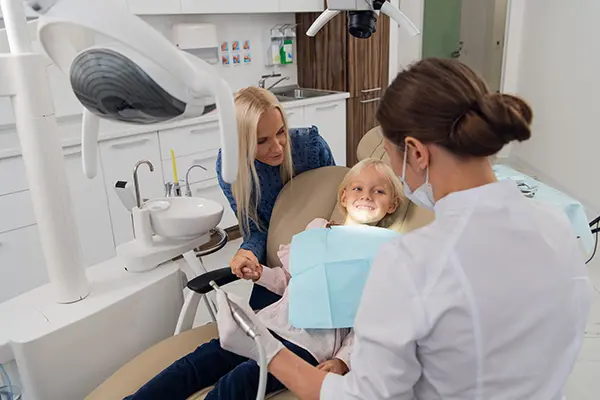 A child’s teeth simply have not had time to fully mature. When permanent teeth first erupt, the enamel is technically formed but still soft, and the mineralization process continues for two to three years after eruption. During this window, the outer surface is more porous and acid can penetrate it faster than it would a fully mineralized adult tooth. A child’s teeth simply have not had time to fully mature. When permanent teeth first erupt, the enamel is technically formed but still soft, and the mineralization process continues for two to three years after eruption. During this window, the outer surface is more porous and acid can penetrate it faster than it would a fully mineralized adult tooth.
Baby teeth come with their own quirks. The enamel layer is thinner to begin with, and the pulp chamber sits closer to the surface, which means a small cavity can reach the nerve much faster than it would in an adult tooth. That is one reason small spots on baby teeth need to be taken seriously even when the tooth will eventually fall out on its own.
Anatomy plays a role too. Children’s back molars have deeper grooves and pits than smoother adult teeth, and toothbrush bristles often cannot reach the bottom of those grooves. Food particles and bacteria settle in, and once decay starts there, it spreads quickly. This is why molars are by far the most common spot for cavities to form in childhood.
Daily Habits That Raise Cavity Risk
The single biggest factor we see in childhood cavities is not lack of brushing; it is how often the teeth are exposed to sugar and acid throughout the day. Every time a child sips juice, nibbles a cracker, or grabs a handful of fruit snacks, the mouth shifts into an acidic state for about twenty to thirty minutes while bacteria break the sugars down. Saliva eventually rinses things back to neutral, but if grazing never stops, the teeth never get a break.
Drinks are an easy place to make a real change. Juice, sports drinks, flavored milk, and even smoothies marketed as healthy keep teeth bathed in sugar. Water is the safest choice between meals, and many parents are surprised to learn how much faster cavities form when juice is the default daytime drink. Our list of foods to limit for cavity protection covers the most common culprits in more detail.
Brushing technique matters less at young ages than consistency. Kids tend to scrub the front teeth that are easy to see in the mirror, miss the chewing surfaces of the back molars entirely, and quit after thirty seconds. Two full minutes, twice a day, with parental help is the goal until well past age seven.
Sleep Routines and Bottle Feeding
Sleeping with a bottle of milk, formula, or juice is one of the fastest ways to cause significant decay in very young children. The liquid pools around the teeth for hours, saliva flow drops while a child sleeps, and the result is a pattern dentists call early childhood caries that can damage multiple front teeth before age three. The same risk applies to a sippy cup carried around all day with anything but water in it.
The fix is simple in concept, though not always easy in practice. After teeth come in, bottles and sippy cups at nap time and bedtime should contain only water, and a quick wipe of the gums and teeth with a soft cloth before sleep removes lingering sugars. Pacifiers dipped in anything sweet should also be avoided.
Helping Kids Brush Effectively
Children do not have the fine motor skills to brush thoroughly on their own until around age seven or eight, and many need help past that point. Until then, an adult should either brush for the child or follow up after the child finishes. Watching once and assuming they have it is not enough at younger ages.
Fluoride toothpaste should be used from the eruption of the first tooth, with the amount adjusted to age. Under age three, a smear about the size of a grain of rice is appropriate. From ages three to six, a pea-sized amount works well. Teaching kids to spit rather than swallow becomes part of the routine as they get older.
A few practical tips help at home: an electric toothbrush takes some of the technique burden off the child, a two-minute timer or favorite song keeps brushing time honest, and brushing in the same spot at the same time each day builds the habit faster than nagging. Flossing should start as soon as two teeth touch each other, which can be as early as age two or three for some kids.
Professional Tools That Help
Home care lays the foundation, but a few professional tools make a meaningful difference in cavity prevention. Dental sealants are thin protective coatings painted onto the chewing surfaces of the back molars to fill in the deep grooves and pits where bristles cannot reach. They are quick, painless, and most useful on permanent molars as they come in around ages six and twelve, though they can also be placed on baby molars when the grooves are particularly deep.
Fluoride treatments applied during routine visits offer a much higher concentration than what is in toothpaste, and they help strengthen developing enamel right at the surface. For kids at higher cavity risk, fluoride varnish is often recommended every three to six months. Combined with the right at-home routine, professional fluoride applications give young teeth noticeably stronger protection against decay.
The other quiet hero is the routine check-up. Catching a small spot of demineralization early often means it can be remineralized rather than filled. Our team also uses these visits to talk with parents about diet, brushing technique, and any developmental concerns. For families specifically looking for a kid-focused experience, Singing River’s Treehouse Children’s Dentistry locations in Killen, Tuscumbia, and Madison are designed entirely around pediatric care, while our Florence Hough Road office sees families of all ages.
Taking the Next Step
Childhood cavities are common, but they are also highly preventable with the right combination of daily habits and professional support. If your child is due for a cleaning, struggling with brushing, or showing early signs of a cavity, our kids dentistry team at Singing River Dentistry in Florence, AL is here to help. Call 256-764-9955 to schedule a visit and we will walk through a plan that fits your family.
Frequently Asked Questions
At what age should my child first see a dentist?
The American Academy of Pediatric Dentistry recommends a first visit by age one, or within six months of the first tooth coming in. Early visits are short and gentle, focused on getting your child comfortable and giving you a chance to ask questions about feeding, brushing, and habits like thumb sucking.
Do baby teeth cavities really matter if they fall out anyway?
Yes. Untreated decay in baby teeth can cause discomfort, infection, eating difficulties, and damage to the permanent teeth developing underneath. Baby teeth also hold space for adult teeth, so losing them too early often leads to crowding or alignment issues later.
Is fluoride toothpaste safe for young children?
Yes, when used in age-appropriate amounts. Major dental and pediatric organizations now recommend a smear about the size of a grain of rice from the eruption of the first tooth until age three, and a pea-sized amount from ages three to six. Supervising brushing helps limit how much is swallowed.
How often do kids need new dental sealants?
Sealants are typically applied once to each permanent molar shortly after it erupts, around age six for the first set and age twelve for the second. They are not reapplied on a fixed schedule. Instead, the dentist checks them at every routine visit and touches up any wear, chipping, or partial loss, which often extends their protection for many years.
What snacks are best for kids’ teeth?
Cheese, plain yogurt, raw vegetables, whole fruits like apples and pears, and nuts are excellent choices because they either stimulate saliva, neutralize acids, or provide minerals teeth need. The bigger factor is timing: keeping snacks to defined windows rather than constant grazing gives teeth time to recover between exposures.
|
|