What to Do When a Dental Filling Falls Out
Posted on 5/20/2026 by Singing River Dentistry - Florence |
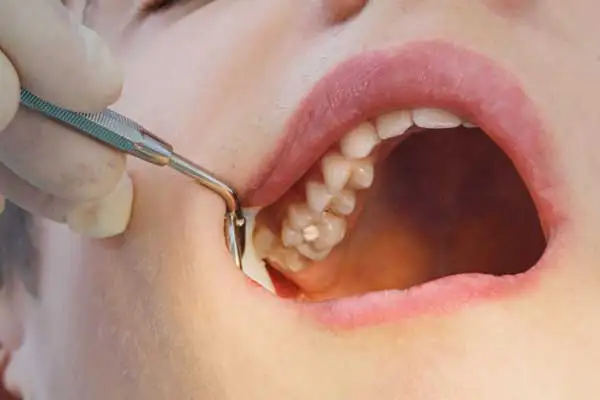 If a dental filling falls out, the first thing to know is that it is usually not an emergency, but knowing what to do next still matters – the right steps protect the tooth, prevent further damage, and help our team in Florence, AL get you back to comfortable chewing as quickly as possible. A filling can come out for plenty of ordinary reasons: a sticky candy pulled it loose, the old material finally wore out, a small crack widened under chewing pressure, or new decay developed underneath. Whatever the cause, the situation calls for a calm, practical response rather than a panic. If a dental filling falls out, the first thing to know is that it is usually not an emergency, but knowing what to do next still matters – the right steps protect the tooth, prevent further damage, and help our team in Florence, AL get you back to comfortable chewing as quickly as possible. A filling can come out for plenty of ordinary reasons: a sticky candy pulled it loose, the old material finally wore out, a small crack widened under chewing pressure, or new decay developed underneath. Whatever the cause, the situation calls for a calm, practical response rather than a panic.
This guide walks through exactly what to do when a filling falls out, what to avoid in the meantime, and what to expect when you come in. If the filling came out and you also have noticeable discomfort, our resource on toothache diagnosis and treatment covers symptoms worth watching closely.
On This Page
Why a Filling Sometimes Comes Out
Fillings are designed to last for many years, but no restoration lasts forever. Older composite or amalgam fillings can wear thin at the edges, lose their seal to the surrounding tooth, or fracture under repeated chewing forces. Anything sticky, crunchy, or unexpectedly hard can be the final trigger, but the underlying reason is usually that the filling had already reached the end of its useful life.
Sometimes new decay develops at the margin where the filling meets the tooth, slowly undermining the bond. Other times, an underlying crack in the tooth changes the way pressure transfers through the restoration. In our experience, patients are often surprised by how little it takes to dislodge a filling that was already compromised: a piece of caramel, an ice cube, or a popcorn kernel can be enough.
What this means for you is straightforward. A lost filling is rarely about doing something wrong. It is the tooth and the filling telling you that the restoration needs a fresh look.
What to Do in the First Hour
The goal in the first hour is to keep the area clean, comfortable, and protected until you can be seen. None of these steps are complicated, but doing them in order helps.
Start by gently rinsing your mouth with warm water to clear out any debris or pieces of the old filling. If you can locate the filling itself, save it in a small container or sealable bag and bring it to your appointment. The dentist may want to look at it, especially if the material recently came loose in one solid piece. Avoid chewing on that side of your mouth, even for soft foods, because the exposed tooth structure is now more fragile than the surrounding teeth.
If the edge of the tooth feels sharp against your tongue or cheek, a small piece of sugar-free chewing gum or a temporary dental cement product from a pharmacy can cover the area for a few hours. These are short-term fixes, not solutions; they buy you time, nothing more. For any tenderness or mild sensitivity, an over-the-counter analgesic taken as directed on the label and a cold compress against the outside of the cheek are often enough. The last step is the most important: arrange to be seen by your dentist. Even if there is no discomfort, the tooth still needs to be evaluated within a few days.
What to Avoid Until You Are Seen
 A few well-meaning instincts can actually cause problems when a filling comes out, so it helps to know what to skip. The most common mistake we see is people trying to glue the old filling back in with household adhesive. Household glues are not biocompatible, they trap bacteria against the tooth, and they make the eventual repair more complicated. Whatever the filling looked like before, it stays out until your visit. A few well-meaning instincts can actually cause problems when a filling comes out, so it helps to know what to skip. The most common mistake we see is people trying to glue the old filling back in with household adhesive. Household glues are not biocompatible, they trap bacteria against the tooth, and they make the eventual repair more complicated. Whatever the filling looked like before, it stays out until your visit.
Equally important: avoid letting the situation drift. A few days of waiting until you can get to the office is usually fine. A few weeks is not. The dentin underneath the missing filling is much softer than enamel and far more vulnerable to decay; the longer it sits exposed to plaque and bacteria, the more likely the next visit will involve a dental crown or more involved work rather than a simple replacement filling. If you wait long enough, an infection can develop in the tooth pulp, which sometimes requires treatment for a dental abscess before any restoration can be placed.
Finally, do not poke or pick at the open area with toothpicks, fingernails, or anything else. The tooth is more sensitive without its protective layer, and irritating the surrounding gum tissue only adds to the recovery time. Brush gently, floss carefully around (not into) the affected tooth, and wait for the appointment.
What Happens at Your Visit
At Singing River Dentistry in Florence, a visit for a lost filling usually starts with a careful examination of the tooth and often a quick X-ray to see what is happening below the surface. The dentist is looking for several things: how much healthy tooth structure remains, whether decay developed under or around the old filling, whether any cracks extend into the deeper layers of the tooth, and how close the cavity is to the nerve.
What happens next depends on what the exam shows. If the tooth has enough strong structure left and there is no significant decay or fracture, a new dental filling is often the right answer. If a larger portion of the tooth was held together by the original filling, or if a crack is involved, the tooth may need a crown to protect what is left from breaking. For situations in between, inlays or onlays offer a strong, conservative option that covers more area than a filling without removing as much tooth structure as a full crown.
If the nerve has been affected by exposure or decay, the tooth might need root canal treatment before a final restoration is placed. None of this is decided arbitrarily; it is matched to what your specific tooth needs to function and last.
Scheduling Your Visit
A filling that falls out is one of the most common reasons Florence patients call us, and our team at Singing River Dentistry is set up to handle these situations efficiently. Reach our Hough Road office at 256-764-9955 or get in touch through our home page and we will get you on the schedule quickly. The sooner the tooth is protected again, the simpler the repair.
Frequently Asked Questions
How long can I wait to get a lost filling replaced?
Most situations are fine for a few days while you wait for an appointment, but the goal is to be seen within a week or two when possible. Beyond that, the exposed tooth structure is at increasing risk of decay, fracture, or infection, which can complicate the eventual repair.
Is it normal for the tooth to feel sensitive after the filling comes out?
Yes. The underlying dentin contains tiny channels that lead toward the nerve, so air, hot, cold, and sweet foods can all produce a sharp or fleeting sensation. Avoid chewing on that side, stay away from temperature extremes, and bring it up at the appointment.
Can I use temporary filling material from a pharmacy?
Over-the-counter temporary dental cement can cover a sharp edge or protect the tooth for a short period until your visit. It is not a substitute for a professional restoration, and it should be removed at the appointment so the tooth can be properly assessed and treated.
Will I always need a crown if a filling falls out?
Not necessarily. Many lost fillings can be replaced with a new filling if enough healthy tooth structure remains. A crown is typically recommended only when the tooth is significantly weakened, when a crack is present, or when the cavity has become too large for a filling to hold reliably.
Does it matter if I saved the old filling?
It is helpful but not essential. Looking at the original filling can give the dentist information about the material used and how it failed, which sometimes guides the choice of replacement. If the piece is lost or swallowed, the appointment can still proceed without it.
|
|