Are Veneers Right for Minor Cosmetic Fixes?
Posted on 9/4/2026 by Singing River Dentistry - Florence |
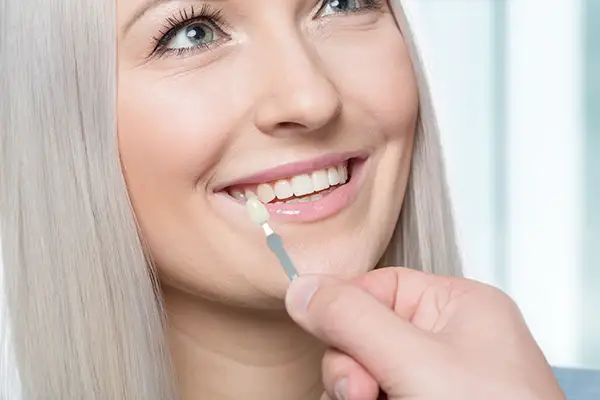 Many patients in Florence, AL come to Singing River Dentistry asking whether veneers are right for a minor cosmetic fix like a small chip or a single stained tooth, and the honest answer surprises some of them: veneers are a wonderful cosmetic option, but for genuinely small issues they can be more than the situation calls for. The decision is not just about what veneers can do, but also about what the rest of the tooth has to give up to accommodate them. Many patients in Florence, AL come to Singing River Dentistry asking whether veneers are right for a minor cosmetic fix like a small chip or a single stained tooth, and the honest answer surprises some of them: veneers are a wonderful cosmetic option, but for genuinely small issues they can be more than the situation calls for. The decision is not just about what veneers can do, but also about what the rest of the tooth has to give up to accommodate them.
A small chip, a single tooth that stayed dark after whitening, or a slightly uneven edge can often be addressed with treatments that are faster, more conservative, and easier to revisit later. That does not mean veneers are wrong for these issues, only that they are not always the most proportional answer. This post walks through what veneers actually involve, the lower-impact options worth considering first for minor fixes, and the situations where veneers genuinely are the right call. Our cosmetic dentistry team would rather help you choose the option that fits your goal than recommend the largest treatment by default.
On This Page
What Veneers Actually Involve
A dental veneer is a thin shell, usually porcelain or a high-quality composite, bonded to the front surface of a tooth to change its color, shape, length, or alignment. Done well, veneers can transform a smile, and they are deservedly popular as a cosmetic upgrade. What surprises some patients is what a traditional veneer asks of the underlying tooth.
For most traditional veneers, a small layer of enamel needs to be reduced so the veneer can sit flush and look natural rather than thick or bulky. Enamel does not regenerate, so once it is reduced, the tooth is committed to having some form of restoration on it for the rest of its life. Veneers also have a lifespan, typically ten to fifteen years or longer with good care, after which they need to be replaced. Maintenance is straightforward and similar to caring for natural teeth, but the long-term cycle of replacement is part of the decision.
None of this makes veneers a bad option. For the right situation, they are an outstanding investment in a smile. The question is whether the situation in front of you calls for that level of commitment, or whether something more conservative can produce the result you actually want.
Less Invasive Options for Small Issues
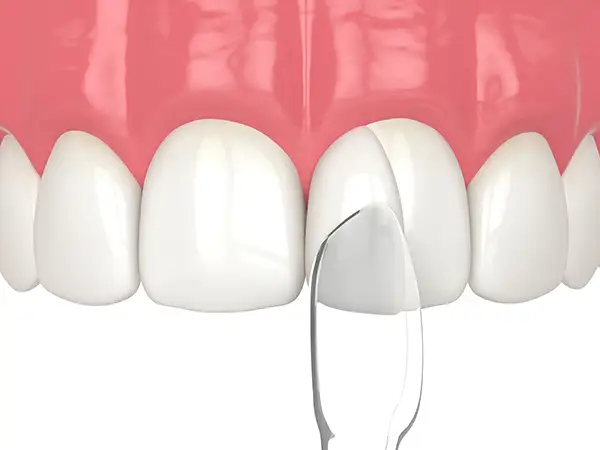 Several conservative alternatives can address minor cosmetic issues just as well as veneers, sometimes better, and with much less impact on the natural tooth. Patients across Florence often arrive thinking veneers are the default fix, then leave with a smaller treatment that solved the issue at a fraction of the commitment. Several conservative alternatives can address minor cosmetic issues just as well as veneers, sometimes better, and with much less impact on the natural tooth. Patients across Florence often arrive thinking veneers are the default fix, then leave with a smaller treatment that solved the issue at a fraction of the commitment.
For small chips and small gaps, dental bonding is often the better starting point. Composite resin is shaped directly onto the tooth, hardened with a curing light, and polished to blend in with the surrounding enamel. Most bonding can be completed in a single visit without removing any enamel, and it can be touched up or replaced later if the appearance changes. The trade-off is that bonding is less stain-resistant than porcelain and may need refreshing over time, but for an isolated small issue that is often an acceptable exchange.
When the concern is color alone and the tooth structure is healthy, professional teeth whitening is the most conservative choice of all. Whitening does not change the shape of the tooth, does not remove any enamel, and treats every tooth in the arch at once. A single tooth that does not respond to whitening may need a different approach, but for general color concerns, this is the obvious first step.
A slightly uneven edge or a single tooth that sits a bit longer than its neighbors is often a candidate for tooth recontouring, a quick polish that removes a small amount of enamel to even out the appearance. Recontouring is comfortable, finished in one visit, and lasting, since teeth do not regrow the polished material. It works best for very small adjustments rather than meaningful shape changes.
Patients with several small issues at once often get the best result from a thoughtful combination of these treatments, without ever moving to veneers. A whitening session paired with one or two bonding touch-ups and a small amount of recontouring can transform a smile while preserving most of the natural tooth structure.
When Veneers Are the Right Choice
Veneers genuinely shine when the issues are layered and significant enough that the alternatives would mean stacking many small treatments to reach the same result. A patient who wants to address color, shape, and minor alignment together across the front teeth often gets a more cohesive outcome from veneers than from a patchwork of smaller treatments.
Durability is another factor that often tips the decision toward veneers. Porcelain holds its color and surface finish for many years and resists most kinds of staining. For someone who is willing to invest in a smile that stays consistent and uniform across the years, that durability is a real advantage. The same is true when multiple front teeth are involved at once. Veneers placed across a coordinated set of teeth produce a balanced look that is harder to achieve with several different individual treatments matched to each other.
A planned smile makeover is another situation where veneers are often the centerpiece, especially when the goal is a noticeable, comprehensive change rather than a subtle refinement. In these cases, the level of commitment veneers require lines up naturally with the size of the change being made.
How We Help You Decide
The honest answer to whether veneers are right for a minor cosmetic fix depends entirely on what you are trying to achieve and what your tooth needs to give up to get there. Our Hough Road team in Florence, AL takes time to walk through the options before recommending anything, and in many cases the conservative path is the better one. You can reach us at 256-764-9955 or get in touch through our home page to arrange a cosmetic consultation.
Frequently Asked Questions
Are veneers reversible?
Traditional porcelain veneers are not reversible because a small layer of enamel is reduced during preparation, and enamel does not regenerate. Some no-prep or minimal-prep veneer options exist that involve little to no enamel reduction, but they are not appropriate for every situation. A consultation can tell you which type your teeth would be a candidate for.
Can I get just one veneer if only one tooth bothers me?
Yes, a single veneer is possible and is sometimes the right answer for an isolated tooth issue. The challenge is shade matching, since one new veneer needs to blend in seamlessly with the surrounding natural teeth. For a single-tooth fix, a skilled cosmetic dentist will weigh whether bonding might produce a more natural match before committing to a veneer.
How long do veneers last compared to bonding?
Porcelain veneers typically last ten to fifteen years or longer with good care, while composite bonding generally lasts four to eight years before it may need a touch-up or refresh. The trade-off is that bonding is far more conservative and easier to repair or replace, while veneers are more durable but require more commitment up front.
Does insurance usually cover veneers?
Most dental insurance plans consider veneers a cosmetic procedure and do not cover them. If a tooth is being restored after significant damage and a veneer is the most appropriate restoration, partial coverage is sometimes possible. Our team can review your specific plan and explain what to expect during a consultation.
How do I know if my chip needs a veneer or just bonding?
Most small chips are well-suited to bonding, especially when the chip involves only the enamel layer and the rest of the tooth is healthy. Veneers tend to make sense when a chip is large, when the same tooth has multiple issues, or when the chip is part of a broader cosmetic concern across several front teeth. A short evaluation can usually answer the question in one visit.
|
|