Laser Dentistry
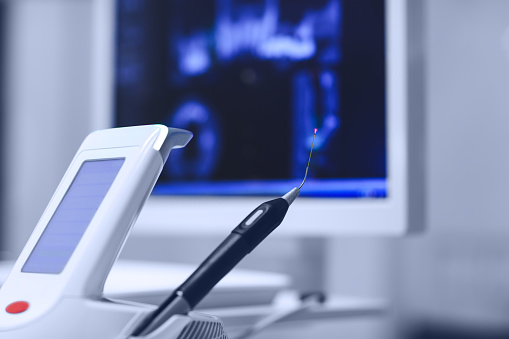 Laser soft-tissue treatment uses concentrated light energy to precisely remove, reshape, or treat targeted areas of gum tissue. At Singing River Dentistry, our dental team may use soft-tissue laser technology for procedures involving excess gum tissue, uneven gumlines, certain periodontal concerns, and other soft-tissue conditions. Laser soft-tissue treatment uses concentrated light energy to precisely remove, reshape, or treat targeted areas of gum tissue. At Singing River Dentistry, our dental team may use soft-tissue laser technology for procedures involving excess gum tissue, uneven gumlines, certain periodontal concerns, and other soft-tissue conditions.Because soft-tissue lasers can cut and cauterize tissue during treatment, they may help control bleeding and limit disruption to surrounding tissue. Whether laser treatment is appropriate depends on your oral health, the location and amount of tissue involved, and the purpose of treatment. What Is a Soft-Tissue Laser?A soft-tissue laser is a dental instrument designed to work on the soft tissues of the mouth, including the gums. Unlike lasers designed for hard tissues such as teeth, soft-tissue lasers are used to remove, reshape, or treat specific areas of gum and oral tissue. The laser allows our dentists to target a specific area with controlled energy. This can be especially useful when a procedure requires the precise removal of a small amount of excess tissue or careful reshaping of the gumline. During appropriate procedures, the laser can also cauterize small blood vessels as it works. This may help minimize bleeding and provide a clearer treatment area. Removing Excess Gum TissueOne common application of soft-tissue laser technology is the removal of excess gum tissue. Some people naturally have more gum tissue covering their teeth, while other conditions can cause the gums to become enlarged or overgrown. When appropriate, laser treatment can carefully remove unwanted tissue and help create a more balanced gumline. Soft-tissue treatment may be considered when excess gum tissue:
Our dentists will examine the area and determine whether laser treatment or another approach is most appropriate. Laser Gum ContouringLaser gum contouring reshapes the gumline by carefully removing excess tissue. An uneven gumline can sometimes make otherwise healthy teeth appear different in size or shape. Using a soft-tissue laser, our dentists can precisely target areas where gum tissue needs to be reduced. The goal is to create a more even and proportionate gumline while preserving healthy tissue. For patients concerned about a gummy smile, gum contouring may expose more of the natural tooth structure and change the proportions of the smile. The amount of tissue removed depends on the patient's anatomy and treatment goals. Laser-Assisted Crown LengtheningCrown lengthening involves removing or reshaping gum tissue to expose more of a tooth. It may be performed for cosmetic reasons or when additional tooth structure is needed for restorative treatment. For example, a tooth may have enough healthy structure beneath the gumline but not enough exposed structure to properly support a restoration. In appropriate cases, soft-tissue laser technology may be incorporated into the procedure. Our dentists will evaluate the tooth, surrounding gums, and overall oral health before determining which technique is appropriate. Treating Unhealthy Gum TissueSoft-tissue lasers may also be used during certain periodontal treatments. Gum disease can cause inflammation and changes to the tissues surrounding the teeth. Depending on the condition, treatment may involve removing unhealthy or infected tissue. A laser can target selected areas of soft tissue while helping control bleeding during treatment. The goal is to create a healthier environment around the teeth and support the body's natural healing response. Laser treatment is not appropriate for every case of gum disease. The recommended treatment depends on the severity and location of the periodontal condition and the health of the surrounding tissues. Other Soft-Tissue Laser ProceduresSoft-tissue lasers can be used for procedures beyond gum reshaping and periodontal treatment. One example is certain frenectomy procedures, which involve removing or modifying a restrictive frenum. A frenum is a fold of tissue that connects the lips or cheeks to the gums or connects the tongue to the floor of the mouth. In some cases, a restrictive frenum can affect movement or contribute to other oral concerns. The need for a frenectomy and the appropriate treatment technique depend on the patient's anatomy, oral health, and reason for treatment. Benefits of Soft-Tissue Laser TreatmentWhen a soft-tissue laser is appropriate, it may provide several benefits compared with some traditional soft-tissue techniques.
The benefits and recovery experience vary depending on the procedure, treatment area, and individual patient. What Can I Expect During Laser Soft-Tissue Treatment?Before treatment, our dentists will examine the area and explain the available treatment options. If laser treatment is appropriate, local anesthesia may be used to keep you comfortable, depending on the procedure. The laser is then directed precisely at the tissue being treated. Our dentists control the amount and location of tissue removed throughout the procedure. Because soft-tissue lasers can cauterize as they work, bleeding may be limited during treatment. After the procedure, you will receive instructions for caring for the treated area while it heals. The length of treatment and recovery varies according to the amount and location of tissue being treated and the type of procedure performed. Who May Benefit From Soft-Tissue Laser Treatment?Soft-tissue laser treatment may be considered for patients with a variety of gum or oral soft-tissue concerns. However, laser technology is not necessary or appropriate for every dental procedure. Our dentists may evaluate laser treatment when you have:
Your oral health, anatomy, and treatment needs will determine whether a laser or another technique is recommended. Is Soft-Tissue Laser Treatment Right for You?Laser technology is one option for treating certain gum and oral soft-tissue conditions. Traditional surgical techniques may be more appropriate for some procedures, while laser treatment may be beneficial in others. Our dentists will consider the amount and location of tissue involved, your oral health, the purpose of treatment, and the expected outcome before recommending an approach. If excess gum tissue, an uneven gumline, a gummy smile, unhealthy gum tissue, or another soft-tissue concern is affecting your oral health or smile, an evaluation can help determine which treatment options are appropriate. |
|
|
Multiple Locations to Serve You |
Text256-383-1112 Hours
|
