Best Ways to Maintain Whitening Results
Posted on 11/8/2026 by Singing River Dentistry - Muscle Shoals |
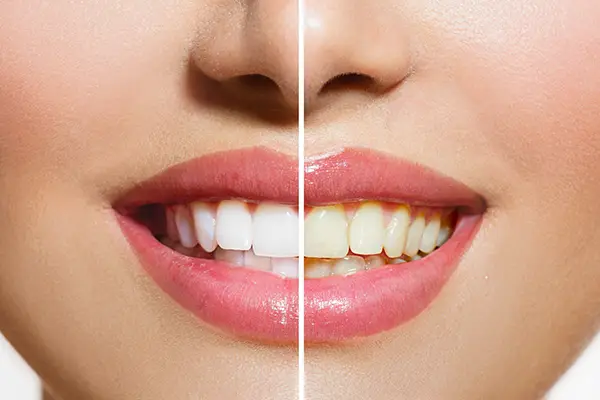 If you have invested time and money in a brighter smile, knowing how to maintain teeth whitening results is what determines how long that brightness actually lasts. Whether your treatment was done with professional teeth whitening at our Muscle Shoals office or with at-home trays, the whitening itself is only the first half of the equation. The second half is what you do over the weeks and months that follow.
Whitening is not permanent. Teeth darken naturally with age, and certain habits speed that process up significantly. The good news is that maintenance is mostly small, low-effort adjustments rather than dramatic lifestyle changes. This article walks through what causes a whitened smile to fade, the staining foods and drinks worth managing, the daily habits that protect your brightness, and how professional touch-ups fit in.
On This Page
Why Whitening Does Not Stay Put
A whitened smile fades for two reasons that work together. First, the underlying dentin of your teeth darkens slightly over time as a normal part of aging, regardless of habits. Second, the enamel on the outside is porous at a microscopic level, and pigmented molecules from food, drinks, and tobacco settle into those pores and accumulate. Whitening agents lift those pigments out, but they do not change how porous the enamel is, so new pigments can settle back in.
How quickly that happens varies a great deal. Heavy coffee drinkers and smokers can see noticeable fading within a few months. A patient who avoids most staining foods and stays consistent with cleanings might keep the bulk of the result for a year or more. Most people fall somewhere in between, with gradual fading over six to twelve months and full return to baseline after a couple of years without maintenance.
Foods, Drinks, and Habits That Stain
The list of staining foods and drinks is longer than most people expect, but a short list of habits accounts for the majority of staining we see at our Muscle Shoals office.
Coffee and tea are at the top of the list, with red wine and dark sodas close behind. Berries, especially blueberries and blackberries, stain noticeably. Tomato-based sauces, soy sauce, balsamic vinegar, and curry are common culprits that surprise patients. Beyond food, tobacco in any form – cigarettes, cigars, chewing tobacco, or vape products – causes some of the most stubborn staining we deal with, and it sets in more deeply than most beverages do.
A useful rule of thumb is that anything that would stain a white shirt will stain teeth too. That said, eliminating these entirely is not realistic for most people, and it is not what we recommend. The goal is moderation and harm reduction, not abstinence. A daily cup of coffee paired with the right habits around it does much less damage than three cups sipped slowly over the morning.
Daily Defense Tactics That Actually Help
A few small habit changes do more than people expect. The pattern that matters most is reducing how long staining pigments stay in contact with your teeth.
| • |
Use a straw for cold staining drinks – iced coffee, soda, and sweet tea contact less of the front-tooth surface when drawn through a straw.
|
| • |
Rinse with water immediately after – a quick swish washes away surface pigments before they have time to settle into the enamel.
|
| • |
Finish in one sitting rather than nursing – a coffee finished in twenty minutes does less damage than the same coffee sipped over two hours.
|
| • |
Brush twice a day with fluoride toothpaste – this is the daily foundation, not something extra.
|
| • |
Floss daily – staining accumulates between teeth where brushing alone does not reach.
|
| • |
Use whitening toothpaste a few times a week, not daily – most are mildly abrasive, and overuse can dull dental work or contribute to sensitivity. |
None of these are dramatic changes. The straw and rinse habits in particular take a few seconds and meaningfully reduce contact time. Brushing right after coffee or wine, on the other hand, is not recommended. The enamel is temporarily softened by acid, and brushing immediately can wear it down faster. Wait about 30 minutes before brushing if you have just had something acidic.
Professional Maintenance and Touch-Ups
At-home habits cover most of the work, but professional support covers the rest.
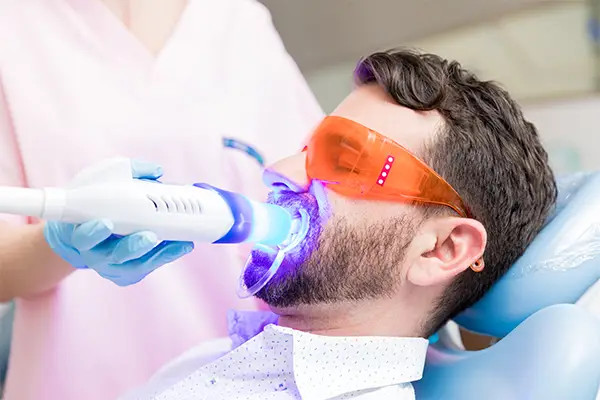 Twice-yearly professional teeth cleanings do something whitening cannot: they remove the hardened tartar and surface stains that brushing cannot reach. Polishing during a cleaning often brightens teeth visibly even between formal whitening sessions, simply by clearing surface buildup.
Beyond cleanings, most patients benefit from periodic touch-up whitening. If you used custom trays for your original treatment, you usually only need to wear them for a few nights to refresh the result. If you had an in-office session, our team can recommend the right timing for a follow-up. Whitening more often than necessary does not produce better results and can increase sensitivity, so we space sessions out based on what your teeth actually look like at your cleanings. For patients exploring other cosmetic dentistry options alongside whitening, a smile makeover consultation can help map out a longer-term plan.
Sensitivity, Tobacco, and Medication Notes
Three lifestyle factors come up often enough to call out specifically.
Sensitivity after whitening
Some teeth become temporarily sensitive to cold during or after whitening. This usually resolves within a few days. If sensitivity persists or interferes with normal eating and drinking, space whitening sessions further apart and use a desensitizing toothpaste in the meantime. For patients with ongoing sensitivity unrelated to whitening, our tooth sensitivity management page covers what we can do clinically.
Tobacco and vape products
Tobacco staining is among the most stubborn we see, and it sets in faster than most other staining. For patients who use any form of tobacco, whitening results will fade noticeably faster than the average, and touch-ups become a more frequent part of maintenance.
Dry mouth and certain medications
Saliva naturally rinses away staining pigments throughout the day. When saliva flow drops – from certain medications, mouth breathing, or untreated dry mouth conditions – staining tends to accumulate faster. Some prescription mouthrinses, including chlorhexidine, can also cause temporary surface staining that looks like whitening has worn off when it actually has not.
Keeping Your Smile Bright in Muscle Shoals
A bright smile is easier to keep than it is to rebuild from scratch. Small habits, regular cleanings, and a touch-up schedule that fits your lifestyle add up to long-lasting results. To talk through what would work best for your smile, call our Muscle Shoals office at 256-383-1112 or visit the practice homepage to learn more about what to expect at Singing River Dentistry.
Frequently Asked Questions
How long do professional whitening results actually last?
For most patients, the core result lasts roughly six months to two years before noticeable fading. Heavy coffee drinkers and tobacco users see fading on the faster end of that range, while patients with mild staining habits and regular cleanings see it on the slower end. Touch-ups extend the result indefinitely.
Does whitening toothpaste actually whiten teeth?
Whitening toothpastes mostly remove surface stains through mild abrasion rather than changing the underlying tooth color. They can help maintain a whitened result, but they will not produce the same change as a professional treatment. Using them a few times a week is usually plenty.
Will whitening affect my crowns, veneers, or fillings?
Whitening agents lighten natural tooth structure but do not change the color of dental work. If you have visible crowns, veneers, or fillings, they will stay the same shade while the surrounding teeth get lighter. Patients with extensive front-tooth dental work should discuss the plan with our team before whitening.
Can I whiten my teeth too often?
Yes. Whitening more often than needed does not make teeth whiter past a certain point, and it increases the chance of sensitivity and enamel changes. Spacing touch-ups based on actual fading, rather than on a fixed schedule, gives the best balance.
Is whitening safe during pregnancy or breastfeeding?
Most providers recommend postponing elective whitening until after pregnancy and breastfeeding, simply because long-term safety studies are limited and the treatment is cosmetic rather than necessary. Routine cleanings and good daily care during this period help maintain what you already have.
|
|

