Eating Disorders are Bad News for Teeth
Posted on 11/2/2026 by Singing River Dentistry - Muscle Shoals |
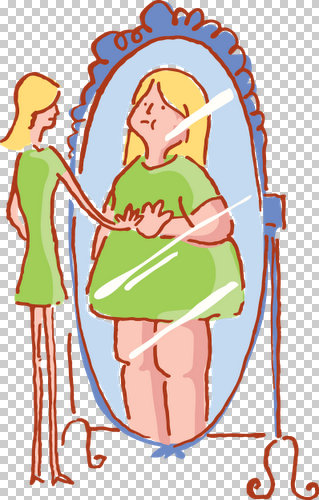 Have you ever thought about how closely connected your overall health is to the health of your mouth? What you eat, and how often you eat, has a huge impact on your teeth and gums. Unfortunately, for people struggling with eating disorders, the effects on oral health can be particularly devastating. Let's talk about why and what can be done to protect your smile.
What are Eating Disorders?
Eating disorders are serious mental health conditions that involve extreme disturbances in eating behaviors, thoughts, and feelings. These disorders can manifest in different ways, including restricting food intake, binge eating, purging (vomiting, using laxatives, or excessive exercise), or a combination of these behaviors. The effects extend far beyond weight; they impact every system in the body, including your mouth.
How Eating Disorders Hurt Your Mouth
Several things happen in the mouth when someone is struggling with an eating disorder. One of the most common problems is tooth erosion. This happens when stomach acid, brought up during frequent vomiting, wears away the enamel, which is the protective outer layer of your teeth. Enamel erosion can lead to sensitivity, discoloration, and an increased risk of cavities.
Another issue is dry mouth. Some eating disorders can affect the salivary glands, reducing the amount of saliva produced. Saliva is important because it helps to neutralize acids, wash away food particles, and remineralize teeth. Without enough saliva, the mouth becomes a breeding ground for bacteria, increasing the risk of tooth decay and gum disease.
Furthermore, purging behaviors can irritate the soft tissues in the mouth, such as the gums and the lining of the cheeks. This can lead to inflammation, sores, and pain. The constant trauma from purging can also damage the palate (roof of the mouth) and throat.
Finally, nutritional deficiencies are common in individuals with eating disorders. A lack of essential vitamins and minerals can weaken the teeth and bones, making them more susceptible to damage.
Protecting Your Smile: What Can Be Done?
If you or someone you know is struggling with an eating disorder, seeking professional help is the most important step. Treatment for eating disorders often involves therapy, nutritional counseling, and medical monitoring.
From a dental perspective, there are several things that can be done to protect the teeth. First, it's crucial to practice excellent oral care. This includes brushing gently with a soft-bristled toothbrush and fluoride toothpaste at least twice a day. However, it's important to wait at least an hour after vomiting before brushing, as brushing immediately afterward can actually spread the acid around and worsen enamel erosion. Instead, rinse your mouth with water or a fluoride mouthwash.
Regular dental check-ups are essential. A dentist can identify early signs of enamel erosion, dry mouth, and other oral health problems related to eating disorders. They can also provide guidance on how to manage these issues and prevent further damage. Your dentist can recommend fluoride treatments to strengthen enamel and help protect against acid attacks. They may also suggest using saliva substitutes to combat dry mouth.
Prevention Dentistry is Key
While managing the oral health consequences of eating disorders is important, the best approach is prevention dentistry. This involves taking proactive steps to protect your teeth and gums from damage. For individuals with eating disorders, this includes consistent oral hygiene, regular dental visits, and open communication with your dentist about your condition.
Understanding the link between eating disorders and oral health is crucial for protecting your smile. By taking proactive steps to care for your teeth and seeking professional help when needed, you can minimize the damage and maintain a healthy, confident smile. Remember, your dentist is a valuable resource and can provide personalized guidance and support.
|
|